The Little Pause: Drinking Coffee in Britain Without Betraying Italy
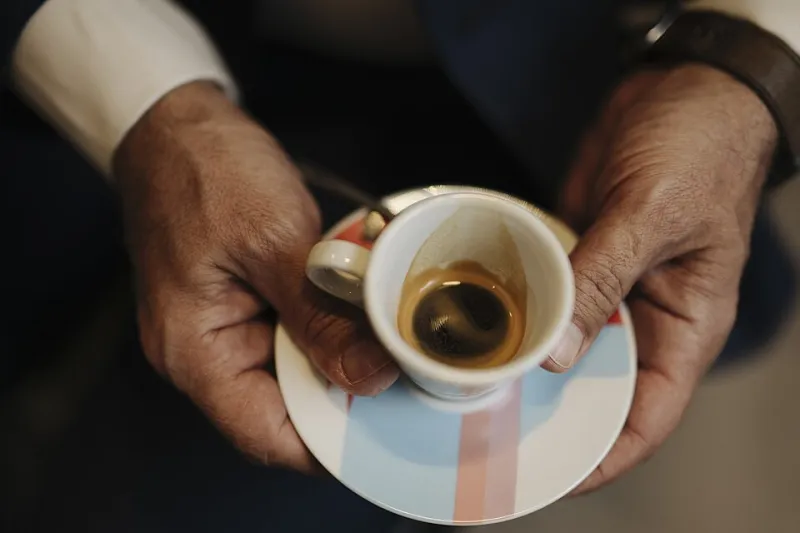
Photo: Shixart1985, CC BY 2.0, via Wikimedia Commons
I have been ordering coffee in Britain for a long time now, and I have made almost every mistake available. I have asked for a latte in the belief that I was being clear. I have been handed a bucket of hot milk with a teaspoon of coffee in it and drunk it politely. I have said 'macchiato' and received something the size of a pint glass. So this is not a lecture. It's a map.
First, the ordering
Let's clear up the small confusions, because most of the awkwardness in a British café comes from using one country's vocabulary in another country's queue.
Espresso. A small, hot, fast drink. Thirty millilitres, give or take, in a cup you can hold in one hand. If you order one here you'll usually get one, though occasionally you'll get something closer to a double, which is not the worst tragedy.
Latte. In Italy, latte means milk. Ask for a latte in a bar in Naples and you'll get a glass of milk, and quite possibly a look. What you want is a caffellatte, and in Britain 'latte' gets you there every time. Nobody is upset about this. It's just worth knowing you're speaking British, not Italian.
Cappuccino. The famous rule about never ordering one after eleven in the morning is more of a household habit than a national law. Nobody will stop you. But if you want to eat like an Italian, coffee after a meal means espresso — small, bitter, in a hot cup.
Macchiato. In Italy, an espresso stained with a drop of milk. In Britain, frequently a large milky drink with caramel on it. Both are fine; they are not the same thing. If you want the small one, ask for an espresso with just a drop of milk.
Flat white. Not Italian at all, and honestly one of the better things to happen to British coffee. Close enough to a small, strong cappuccino to make an Italian feel at home.
Americano. Hot water plus espresso. A perfectly reasonable drink, and the closest thing to the long coffee you'd make at home in a moka pot.
One practical note: British coffee is often served hotter than it should be. Above about 65°C you lose the smell, and the smell is half the drink. Ask for it not scalding. Baristas generally don't mind.
The beans are not where the problem is
Most people who are unhappy with their home coffee buy a new machine. This is the wrong order of operations.
The grinder matters more than the machine. Freshly ground coffee, ground evenly, will make better espresso in a modest machine than stale grounds will make in something with a dial and a light-up logo. Buy a burr grinder before you buy anything else — even a cheap hand grinder will out-perform the blade one in your cupboard by a mile.
The beans matter next. Buy from a UK roaster, buy small bags, and look at the roast date rather than the best-before. Anything roasted more than about six weeks ago has lost most of what you paid for. Supermarket beans in a big bag stamped a year out are not a bargain; they're a very slow disappointment.
Water matters more than anyone tells you, especially if you live somewhere with hard water. Filter it. Your kettle's limescale is going into your coffee.
And then the moka pot, which is what most Italians actually use at home. Fill the base with water to just below the valve. Add the coffee, level it, don't tamp it down like an espresso puck. Low heat, lid open, and take it off the moment it starts to gurgle and spit. That last bit is the whole trick. A moka left on the heat turns bitter in about eight seconds.
Warm the cup. That's it. That's the setup.
The Sunday pot and the Christmas pot
There's a reason the moka pot is the piece of equipment I'd rescue from a burning kitchen. Not because it makes the finest coffee in the world — it doesn't. Because it's the one that fills the house.
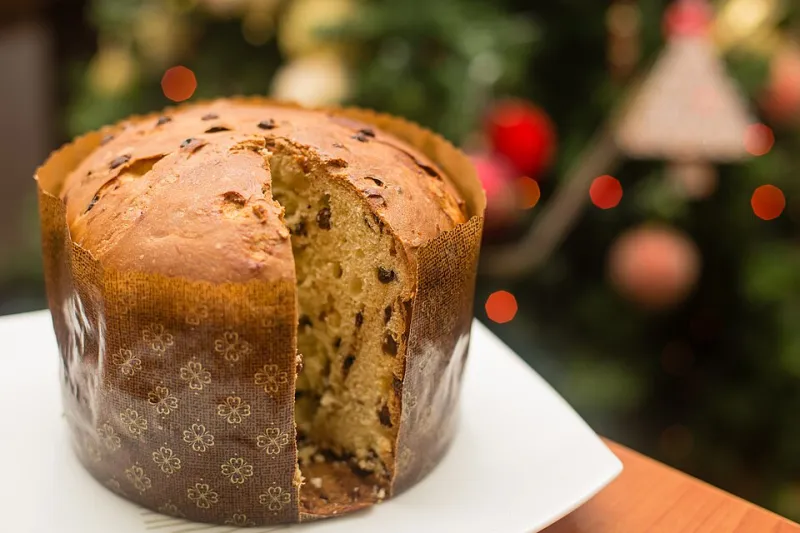
I make it on Sunday mornings, before anyone's properly awake, and the smell does the waking for me. At Christmas it's the same pot, on the same hob, next to a panettone we're all pretending won't be finished by lunchtime. The coffee isn't fancy. The point isn't the coffee. The point is that there's a pot on and everyone knows what that means.
If you want to give someone a coffee habit as a gift this winter, don't buy them a machine with a screen. Buy them a moka pot, a decent hand grinder and a bag of beans from a roaster within walking distance. That's a ritual in a box.
The best coffee in Britain is usually a pause
Here's the part I actually care about. Italian bars aren't better because of secret beans. They're better because of the shape of the visit.
You go in. You stand at the bar. You say good morning to whoever's there. The coffee comes in a small hot cup, you drink it in about ninety seconds, you put down your money and you leave. It costs very little. It happens three times a day. It is a hinge in the day.
In Britain we've taken the coffee and left out the hinge. We order at a counter, take a paper cup and walk with it, and the drink becomes an accessory to a commute rather than a moment in itself. The coffee here has got radically better over the last decade — genuinely world-class in places — but the pause has got shorter.
So my advice isn't really about beans. It's this: once a week, sit down. Find a café with actual tables, order the smallest coffee on the menu, and stay for ten minutes without looking at anything. You'll drink less and enjoy it more. That's the whole guide.
How to be a bit more Italian without being insufferable
Order small. Sit down if there's a chair. Drink a glass of water alongside. Don't carry the cup down the street if you can help it. Say thank you to the person who made it, by name if you know it. Keep your beans in the cupboard, not the fridge.
And if you're ever in Italy and you ask for a latte and get a glass of milk — drink it. It's good milk. Then order a caffè like everyone else.