Two Christmas Cakes, One Table: A Mixed Household's Festive Negotiation
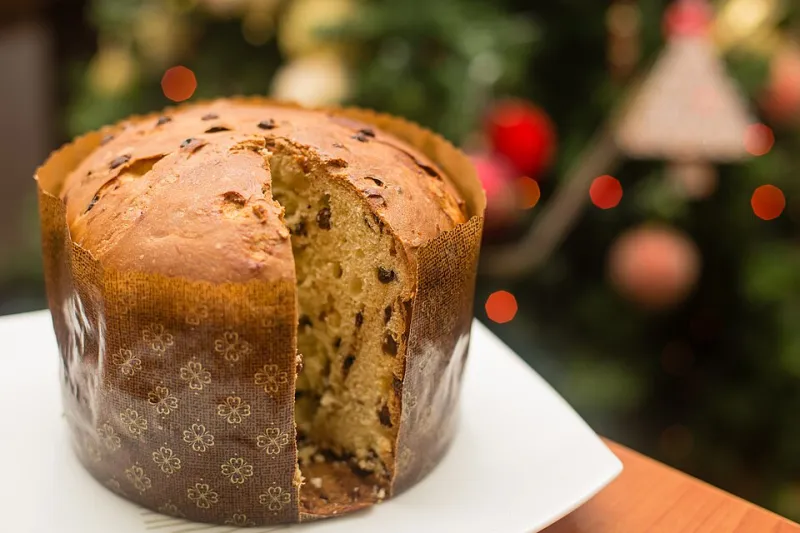
Photo: N i c o l a from Fiumicino (Rome), Italy, CC BY 2.0, via Wikimedia Commons
In our house, Christmas starts with a negotiation. One side of the family expects a steamed Christmas pudding, dark and sticky, with brandy butter going soft at the edges. The other side arrives with a boxed panettone under each arm, as if the cake itself were a diplomatic pouch. I am Italian. My wife is British. We have been merging these two Christmases for years, and we have learned that the only sensible response to a festive standoff is a bigger table.
This is not a story about one tradition winning. It is a story about what happens when you stop asking which Christmas is correct and start asking what you can cook that makes both sides feel at home.
The October pudding
My mother-in-law starts her Christmas pudding in October. I used to think this was excessive. Then I tasted it. The pudding sits in a cool cupboard, fed with brandy every week or so, growing darker and more itself. It is not really a dessert. It is a family member who requires feeding.
I have learned to respect the October start. If you are making a pudding from scratch, the last Sunday before Advent is the traditional day, which falls in late November this year. But if you are organised enough to begin in October, do it. The pudding will thank you. The kitchen will smell like a distillery, but in a good way.
The November panettone
My side of the family orders panettone in November. Not December. By December, the good Milanese bakers are booked out, and the supermarket versions are a different pleasure altogether. The boxed panettone arrives like a promise. One year a cousin brought two under each arm on the train from London, and I knew the truce was holding.
In the UK, you can order from Italian importers or good delis, but do it early. A panettone bought in a panic on Christmas Eve is usually dry, and dry panettone is a sad thing to serve to people you love.
The chestnut skirmish
Then comes the stuffing. My family says chestnuts. Hers says sausagemeat and sage. I have learned to make two stuffings, because the argument is never really about chestnuts. It is about the word 'traditional'. Everyone wants their own childhood on the plate, and nobody wants to be told that their childhood is a side dish.
So we make a classic sage and onion stuffing for the British side, and a panettone, chestnut and sausage stuffing for the Italian side. The turkey is large enough to accommodate both. The chestnut skirmish ends in a draw, which is the best kind of Christmas argument.
The hybrid menu
We landed on a menu that does not ask either side to surrender. We start with prosciutto, sliced pear, bitter leaves and walnuts. The main event is a British turkey with two stuffings, roast potatoes, Brussels sprouts with pancetta, red cabbage, carrots and a good gravy. There is no lasagne at Christmas. Even I have limits.
Dessert is where the truce becomes visible. A small Christmas pudding with brandy butter sits at one end of the table. A large panettone bread-and-butter pudding with amaretto custard sits at the other. Fresh panettone is passed around anyway, because someone always wants a slice with coffee.
For the bridging dish, slice panettone, butter it, layer it with raisins and soak it in a custard made with British milk and eggs. Bake it until the top is crisp and the middle trembles. Make the amaretto custard on Christmas Eve and reheat gently. It is the sort of pudding that makes people stop arguing about chestnuts for at least twenty minutes.
On Boxing Day, we do panettone French toast with the leftovers, and the Christmas pudding comes back out for anyone who did not get enough the first time.
A December prep timeline for UK cooks
Here is the timeline I use, adjusted for 2026. It is not a military operation. It is a series of small kindnesses to your future self.
Early November: order your panettone from a reliable importer or deli, and check the delivery date. If you are making mincemeat, make it now and let it sit.
Mid-November: make and freeze the two stuffings. Make the red cabbage and freeze it. Order the turkey from your butcher, and confirm the collection time.
Late November: if you are making a pudding from scratch, this is the traditional weekend. Feed it brandy and put it somewhere cool. Buy alcohol, crackers and anything that will not go off.
First week of December: check the freezer. Make bread sauce and freeze it. Buy good butter and eggs. If you are making the amaretto custard, buy the amaretto now, not on Christmas Eve.
Second week of December: make the gravy base and freeze it. Prep the potatoes and parboil them if you have space. Set aside a quiet hour to write your shopping list properly.
Week before Christmas: do the big shop. Buy the greens, the cream, the cheese and the panettone if it has not arrived. Make sure you have enough plates, because a hybrid table always needs more plates than you think.
Christmas Eve: assemble the panettone bread-and-butter pudding and keep it covered in the fridge. Make the amaretto custard. Set the table. Open something nice.
Christmas Day: cook the turkey, reheat the sides, steam the pudding and bake the panettone pudding. Let both cakes share the table. That is the whole point.
Boxing Day: panettone French toast, cold pudding, a walk, and the quiet satisfaction of a truce that held for another year.