Small Table, Seven Fishes: A Christmas Eve for Two in a British Kitchen
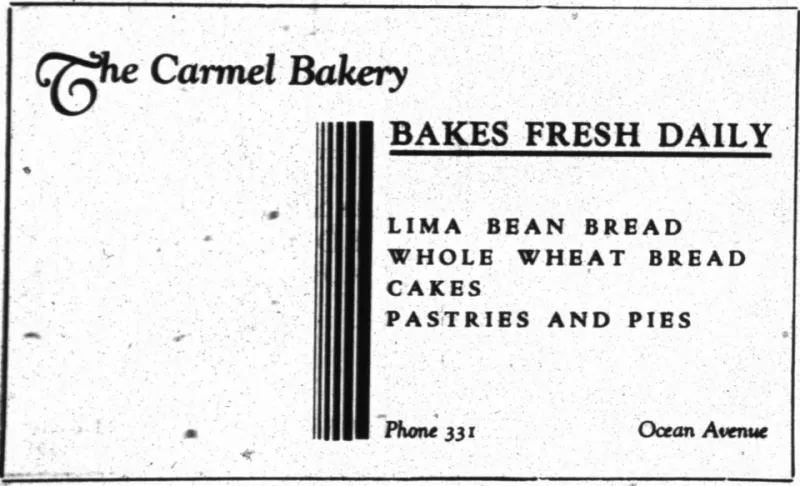
Photo: Unknown; advertisement placed by the Carmel Bakery, Public domain, via Wikimedia Commons
Every December the same message lands in my inbox. Variations on a theme: we're only two this year, is the seven fishes worth doing? Sometimes it's four, sometimes it's one person and a cat. The answer is always yes, and the answer is also: do four dishes, not seven, and stop apologising to the ghost of somebody's nonna.
Christmas Eve in Italy is the quiet meal. No presents, no crackers, no man in a red suit. Just a meatless supper, a lot of fish, and a table that stays cleared until late. That part you can absolutely recreate in a British kitchen in December. The rest is flexible.
The Vigilia, stripped back to what actually matters
The Feast of the Seven Fishes is an Italian-American name for something older and looser: la vigilia, the vigil before Christmas. In Naples and much of the south it means no meat and plenty of seafood. Seven is a number people argue about. Some families do nine, some eleven, some do whatever the market had on the morning of the twenty-fourth. That last one is the honest version, and it's the version I cook from.
If you take nothing else from this piece, take this: the ritual is the point, not the arithmetic. A meatless, fishy, slightly extravagant supper on the darkest night of the year does not require an audience.
Start with the fishmonger, not the recipe
Put your order in by the eighteenth of December. By the twenty-second, every decent counter within twenty miles has a queue and a short temper.
What a British fish counter does genuinely well in winter: mussels, scallops, sea bass, sea bream, mackerel, sprats, smoked haddock, langoustines, and a good pile of cooked prawns. Ask what came in that morning. Ask about the blue MSC tick. Ask them to gut and scale the fish for you - they will, and it saves you twenty minutes and a sink full of scales.
If fresh prawns are priced like jewellery, buy frozen. Defrost them overnight in the fridge and nobody at the table will know or care.
The swaps that actually work
Clams to mussels. Italian vongole are lovely and British mussels are cheap, sweet and almost impossible to ruin. A kilo feeds two generously.
Baccalà to smoked haddock. Proper salt cod needs days of soaking and a certain temperament. Smoked haddock gives you the salt and the depth in a fraction of the time. If you do want the real thing, an Italian, Polish or Turkish grocer will usually have it.
Red mullet to mackerel or bream. Oily, characterful fish that can take lemon and herbs without collapsing.
Octopus to nothing at all. Nobody's first Christmas Eve needs a pressure-cooker lesson.
A four-course Vigilia for two to four
To start: anchovies, butter, bread. A tin of good anchovies, softened salted butter, thinly sliced bread toasted on the hob in a dry pan. Ninety seconds of work. This is the dish people remember.
Next: mussels with white wine and parsley. One kilo, scrubbed, into a hot pan with garlic, a glass of something dry, a lid, four minutes. Discard any that stay shut. Serve with the rest of the loaf.
Then: linguine with prawns and lemon. A hundred grams of dried pasta per person. Olive oil, chilli, garlic, prawns in at the end, lemon zest and juice off the heat. No cream. Please.
Main: whole baked bream with potatoes. One fish per person, or one large one to share. Potatoes sliced thin, rosemary, olive oil, twenty minutes at 200°C fan before the fish goes in on top for another fifteen. Bring it to the table whole. It's Christmas Eve; a bit of theatre costs nothing.
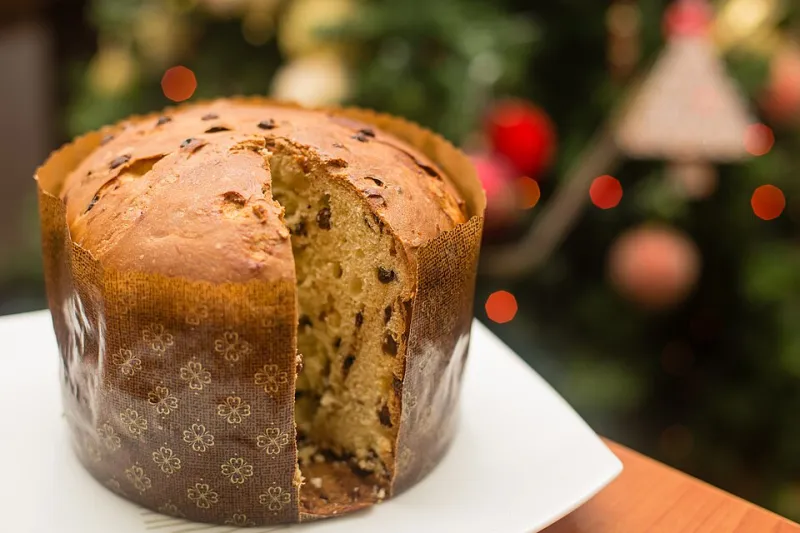
Sweet: warmed panettone, mascarpone, mandarins. Slice, warm, dollop, peel. That's it. A piece of torrone on the side if someone's been kind to you.
The make-ahead timeline
A week out: buy the tins, the anchovies, the panettone, the wine. Clear one shelf of the fridge and mean it.
20 to 22 December: order the fish. If you're collecting on the twenty-fourth, confirm the time in writing.
23 December: chop parsley, zest and juice the lemons into a jar, slice the potatoes into a bowl of cold water. Ten minutes now buys you calm tomorrow.
Christmas Eve morning: collect the fish, scrub the mussels, keep everything cold. Toast the bread if you're being organised about it.
Five o'clock: anchovies on. From there, forty minutes, one pan at a time, no heroics. Eat at six, or seven, or whenever the last person arrives.
Setting a table that feels like somewhere else
This is the part nobody writes down. Cloth on the table, even a tea towel at a push. Low light. The good glasses. A candle that isn't a leftover from a birthday. Mandarins at each place, peel still on. Something on the speaker that isn't a Christmas playlist - Modugno will do nicely. No phones at the table for the first course.
None of that is Italian. All of it makes the evening feel like it came from somewhere rather than from a supermarket run.
If you're cooking for one
Halve the quantities, cook two courses instead of four, and light the candle anyway. A feast for one is still a feast.
The honest bit
You are not in Naples, and nobody at your table thinks you are. What you're doing is keeping a small, meatless, fishy, candlelit promise on the twenty-fourth of December, before the noise of the twenty-fifth arrives. Get the mussels on, pour something cold, and let the rest be roughly right.