Cook Once, Eat Through the Frost: Seven Italian Freezer Batches for a Kinder Winter
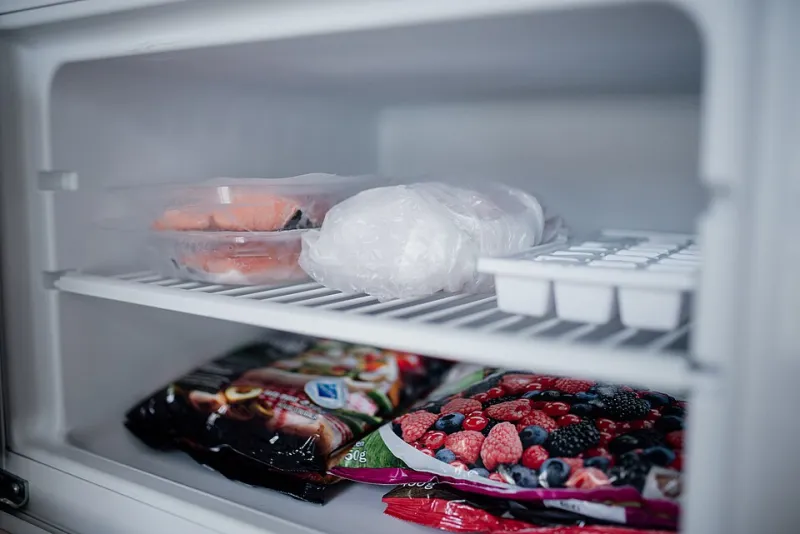
Photo: Shixart1985, CC BY 2.0, via Wikimedia Commons
Every winter I make the same promise: this year, I will not spend December standing at the hob at nine o'clock, stirring something while everyone else has already eaten. The promise usually lasts until the first truly cold Tuesday. Then I remember the freezer.
Not as a place for sad leftovers, but as a pantry. An Italian pantry, if you like: the kind that is not about perfectly labelled tubs and rigid meal plans, but about having already done the generous part of the cooking once. A batch of sauce here, a tray of tiny meatballs there, and suddenly a weeknight has options.
The freezer is not a filing cabinet
I am not interested in the sort of meal prep that makes dinner feel like a spreadsheet. The Italian habit I grew up with is simpler: when something is worth making, make more of it. A pot of beans is not a single meal. A tray of peppers is not a side dish for one night only. You cook with a little foresight, and the food waits for you.
A British freezer is often smaller than the Italian fantasy in my head, so this is not about filling every drawer with identical portions. It is about stocking a handful of useful things that can be combined, stretched, spooned over something, or eaten on their own with bread and a little olive oil. Seven batches is plenty. More than that and you are running a small catering operation.
Seven batches to make before December
1. Soffritto, chopped and frozen flat
Onion, carrot and celery, softened slowly in olive oil until sweet rather than browned. Cool it, spoon it into bags, press it flat, and freeze. Flat bags thaw quickly and stack like books. This is the base of soups, ragù, braises and bean dishes. It saves ten minutes of chopping on the nights when ten minutes feels like an hour.
2. Slow tomato sauce, made in a big pot
A proper winter sauce: tinned tomatoes, olive oil, garlic, a little salt, and time. Let it reduce until it tastes concentrated, then divide it into portions. It will be better than most jars and will make you feel absurdly capable on a Wednesday. Keep one portion in the fridge for the next two days and freeze the rest.
3. Tiny polpette
Small meatballs, no bigger than a walnut, are more useful than large ones. They cook quickly from frozen in sauce, slip into soup, or sit on a tray with roasted vegetables. Use a mixture of beef and pork if you like, plenty of parsley, a little grated cheese, and bread soaked in milk. Freeze them on a tray first so they do not clump, then bag them.
4. A pot of white beans
Dried beans cooked until tender, with garlic, sage and olive oil, are one of the great quiet foods. Freeze them in their cooking liquid. They can become a soup, a side dish, a mash for toast, or the heart of a dish with greens and chilli. If you use tinned beans, you can still improve them by simmering gently with aromatics and freezing the result.
5. Roasted peppers
Roast red and yellow peppers until the skins blister, then peel them when cool enough to handle. Pack them with their juices and a little olive oil. They are excellent with anchovies, on a sandwich, folded through pasta, or alongside cheese. They freeze well, though they will soften further, so think of them as an ingredient rather than a crisp vegetable.
6. A minestrone base
Not a finished soup, but the vegetables and beans together before the final simmer. Courgette, celery, carrot, potato, tomato, beans and a little cabbage, cooked briefly and frozen. On the night you want it, add stock and small pasta and let it bubble. It tastes like something you made with care, because you did.
7. Ragù for the Sundays that get away from you
A slow ragù is not just for Sunday lunch. Make a large pot, freeze it in two-person portions, and use it for pasta, polenta, baked dishes or a very good jacket potato. The point is not to eat the same dinner five times in a row. The point is to have one dinner already solved when the week is not.
What freezes well, and what stays in the fridge
Most of these batches freeze properly because they are sauces, braises, beans or vegetables with some liquid. Cool them quickly, label them with the date, and use them within a sensible window. A freezer is a pantry, not a museum.
Some things are better kept in the fridge. Fresh herbs, dressed salad, cooked pasta and soft cheeses will not thank you for freezing. Fried things lose their point. A delicate risotto turns to porridge. And a jar of pesto is happier in the fridge for a week than in the freezer for a month, unless you are deliberately making a big batch.
The quiet pleasure of having something ready
The real benefit is not efficiency. It is the evening when you open the freezer and find a small bag of soffritto, a portion of tomato sauce and a handful of polpette. Dinner is not a panic. It is a short, gentle assembly job, with bread on the side and perhaps a glass of something red.
That is the Italian lesson, really. Cook once, but eat with the feeling that someone has been looking after you. In a British winter, that someone might as well be you, on a free Sunday afternoon, with the radio on and a big pot on the stove.