Cold Meat, Warm Bread: A Boxing Day Panino With No Apologies
Boxing Day has a reputation problem. By the time the King’s speech is a memory and the tin of chocolates has been reduced to the ones nobody likes, the fridge is a museum of cold meat, wrinkled roast potatoes and a bowl of sprouts that nobody invited back. The default move is a sandwich: two slices of white, a smear of something, a pile of dry turkey, eaten standing up over the sink. It works. It is also a waste.
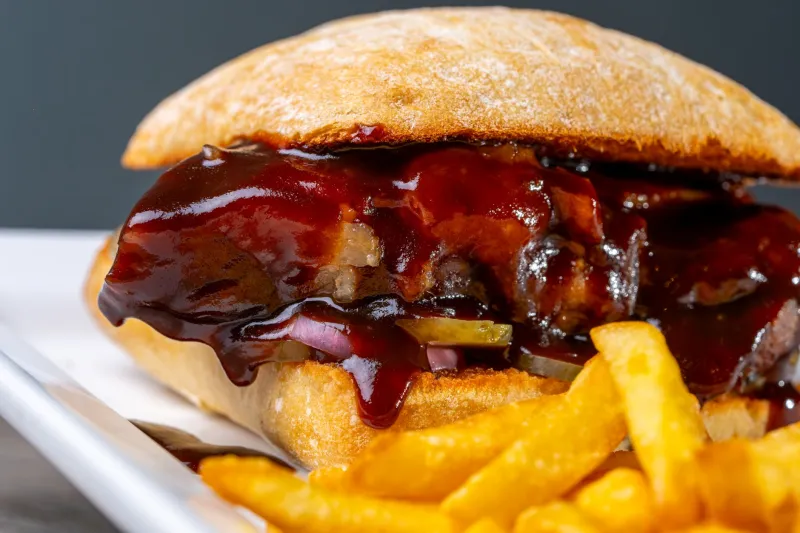
The Italian answer is not to pretend the leftovers don’t exist. It is to treat them as ingredients with a past. A panino is not a sandwich with a fancy name. It is a small, deliberate piece of engineering: good bread, a considered filling, a condiment that cuts through the fat. In an Italian kitchen, leftovers are not a compromise; they are the beginning of something else. The day after a feast is still cooking, just quietly.
Bread is the whole argument
Start with the bread or don’t start at all. A panino needs structure and a certain chew. In the UK at this time of year, that means a decent bakery loaf, a ciabatta, a piece of focaccia from the deli, or a sourdough with a crust that resists your teeth for half a second. Sliced white will collapse under a wet filling; a soft brioche will turn to mush. If the only bread in the house is a supermarket loaf, toast it and rub it with garlic. That is not a failure. It is a recovery.
Cut the bread thick enough to hold, but not so thick that you are eating a duvet. Two centimetres is about right. If the crust is very hard, scoop out a little of the crumb from the top half. This is not waste; it is making room for the argument inside.
The layering rules
A good panino follows a simple order. First, a moisture barrier: a thin film of olive oil, butter, mayonnaise or a soft cheese. This stops the bread from going soggy. Second, the meat, sliced thinly rather than hacked into slabs. Cold roast pork, beef, lamb or turkey all work. Third, something sharp or wet: mustard, mostarda, pickles, a spoonful of salsa verde, a slick of chutney. Fourth, crunch: crisp stuffing, crackling, a handful of shredded raw sprouts, thinly sliced red onion, or cold roast potatoes squashed flat and fried until they hiss.
Do not overfill. A panino should be eaten with one hand, more or less. If it requires a belt and braces, it is a plate of food pretending to be a sandwich.
Condiments that earn their place
This is where the Italian nerve comes in. British chutney is not an insult to a panino; it is a cousin of mostarda, that sweet-sharp fruit preserve from Lombardy. Cranberry sauce is a fruit condiment with attitude. Mustard is fine. Mayonnaise is fine if you add lemon and salt. What is not fine is a dry sandwich. Fat needs acid. Meat needs something to lift it.
Make a quick salsa verde if you have parsley, capers, anchovy, garlic and olive oil. It takes five minutes and turns cold beef into something worth sitting down for. Or shred the leftover sprouts with a knife, dress them with lemon juice, olive oil, salt and a little grated Parmesan. That is a slaw with an Italian accent, and it will make people who hate sprouts ask what is in it.
Two to start with
The first is cold roast pork with crackling and sprout slaw. Take a ciabatta or a sourdough roll. Rub the cut side with a little olive oil. Layer thin slices of pork, then crushed crackling, then the sprout slaw. Add a spoonful of mustard cut with honey if you like. Press the panino under a weighted plate for five minutes. This is not optional; it makes the whole thing settle.
The second is turkey with mostarda and crisp stuffing. Use focaccia if you have it. Spread one side with mayonnaise, the other with mostarda or a chutney you actually like. Add turkey, then crumbled stuffing that you have fried in a little butter until the edges are crisp. Add a few leaves of something bitter — rocket, watercress, shredded cabbage — and eat it while the kitchen is still warm.
The potatoes deserve better
Cold roast potatoes are not a lost cause. Squash them with the flat of your hand, fry them in olive oil until they are crisp at the edges, and use them as the crunch layer in a panino with beef and salsa verde. Or warm them through and serve them alongside, with a bowl of mustardy mayonnaise for dipping. The point is not to reheat Christmas dinner. The point is to give it a second life.
Respectful fusion, not pastiche
There is a lazy version of this article that would tell you to put panettone in a sandwich or call gravy an Italian sauce. That is not what I mean. The Italian instinct is not to cover everything in pesto. It is to look at what is in front of you and ask what it needs. Bread, fat, acid, crunch, salt. A little patience. A panino made from Boxing Day leftovers is not a betrayal of Christmas. It is the most Italian thing you can do with it: waste nothing, argue about the details, and eat well while standing up.