Peel Appeal: Giving the Christmas Satsuma an Italian Accent
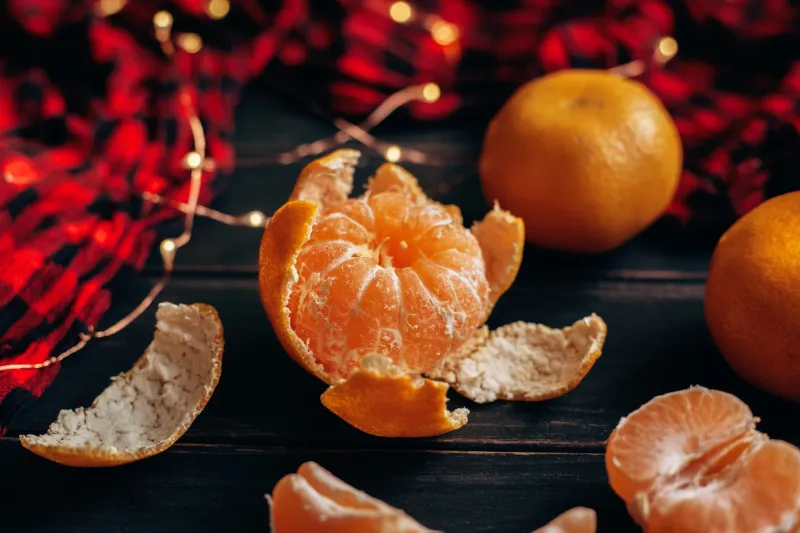
Every December, a net of satsumas arrives in my kitchen and immediately loses its status. It sits by the kettle, then by the telly, then somewhere behind the biscuits. By the twenty-seventh, there are three sad specimens left and nobody wants to be the one who peels them. I say this with affection. The satsuma is not glamorous, but it is reliable, and in a British winter that counts for a lot.
Italy taught me not to be snobbish about winter citrus. In Sicily, oranges are not a luxury item; they are weather, landscape and lunch. But the lesson was not that I should pretend a supermarket satsuma is an arancia rossa from Catania. It was that cheap citrus deserves a bit of thought. A little salt, a little oil, a sharp knife and five minutes can turn a fruit bowl afterthought into something that belongs on the table.
The fruit bowl problem
The British satsuma has a PR problem. It is associated with school bags, stocking fillers and the noble but dull idea of getting vitamin C in December. It is also slightly unpredictable: some are sweet and loose-skinned, some are dry and cling to their pith like they are being evicted. That inconsistency is exactly why we stop noticing them.
In Italy, the winter fruit bowl is not a decorative object. It is the start of something. Citrus gets segmented over a bowl so the juice is kept. The peel goes into a jar for candying or into a pan with sugar. The pith is not treated as a personal insult. Nothing is wasted, but not in a preachy way — it is simply how a kitchen works when the fruit is local and the season is short.
I am not suggesting you start candying satsuma peel at 11pm on Christmas Eve while the family argues over the remote. I am suggesting that the satsuma is a better ingredient than its reputation allows.
What Sicily does with winter citrus
The classic Sicilian orange salad is almost embarrassingly simple: peeled oranges, thinly sliced red onion, good olive oil, salt, maybe fennel, maybe a few black olives, maybe a pinch of dried oregano. It works because the orange is treated like a vegetable — something with acidity and structure, not just sweetness. The salt pulls out the juice, the oil softens the onion, and the whole thing sits happily beside grilled fish, roast pork or just bread and cheese.
A satsuma can do a version of this. It is sweeter and smaller, so use less onion and more fennel if you have it. Segment it over the bowl, save the juice, dress it with oil and salt and let it sit for ten minutes. It will not taste Sicilian, exactly. It will taste like a very good British winter salad that has been paying attention.
The salad that isn’t a joke
I know how this sounds. Orange salad in a British kitchen in December can feel like a 1970s dinner party relic, the kind of thing served with a curly parsley garnish and a prawn cocktail. But the Italian version is not sweet and it is not retro. It is sharp, salty and clean — three things a plate of Christmas leftovers badly needs.
Try it with cold roast chicken, or with a tin of good tuna and a few lentils. Try it with a slab of sharp cheddar instead of Parmesan, because we are in Britain and the cheese aisle is what it is. The point is not authenticity. The point is contrast: the sweet citrus against the salt, the onion against the oil, the fresh thing against the rich thing.
Peel, pith and patience
Candied peel is where the satsuma earns its keep. In Italy, candied citrus peel is not a novelty; it is a pantry ingredient, chopped into cassata, folded into ricotta, dipped in chocolate. The process is slow but not difficult: simmer the peel in water to take away the bitterness, then simmer it gently in sugar syrup until it turns translucent. Dry it on a rack, toss it in caster sugar if you like, and keep it in a jar.
Satsuma peel is thinner than orange peel, so it takes less time. It also has a delicate, almost floral flavour that works well with dark chocolate. If you are making a Christmas cake or a batch of biscuits, a handful of chopped candied satsuma peel is a quiet upgrade. It is not the same as the shop-bought mixed peel, which often tastes of nothing but sugar and regret.
Marmalade without the lecture
Satsuma marmalade is a good first marmalade because the fruit is forgiving. You do not need a preserving pan the size of a hubcap. Use a large saucepan, a sharp knife and a bit of patience. The pith contains pectin, so do not throw all of it away — tie it in a piece of muslin and simmer it with the fruit. The set will be soft, which is fine. Soft set marmalade on hot toast is one of the better things about January.
I like it with a little rosemary or a splash of whisky, but plain is good too. The point is to use the fruit that is already in the bowl, not to buy a crate of Seville oranges and pretend you are a preserve-making machine. Seville oranges are wonderful and they have their moment in January. The satsuma has December.
A small ceremony
What I have taken from Italy is not a recipe but a habit: when the fruit is in season and cheap, give it a job. Peel a couple of satsumas into a bowl, add a pinch of salt and a drizzle of oil, and put them on the table with whatever else is for supper. Save the peel. Make a small jar of marmalade if the mood takes you. Do not make a performance of it.
The British Christmas is already full of performances. The satsuma does not need one. It needs a sharp knife, a bit of salt and someone willing to look at it properly. That is the Italian lesson, and it costs about a pound a net.