Hot Broth at a Cold Desk: The Case for a Thermos Lunch This November
By the time I sit down to write this, the office windows have that November glaze: grey light, a bit of drizzle, everyone hunched over keyboards as if warmth might be found in an email. Lunch, for many of us, has become a triangle of sandwich, a bag of crisps and a drink chosen by price rather than pleasure. I don’t hate the meal deal. It has its place — a train, a crisis, a Tuesday when you forgot to plan. But as a daily ritual, it asks very little of us and gives back even less.
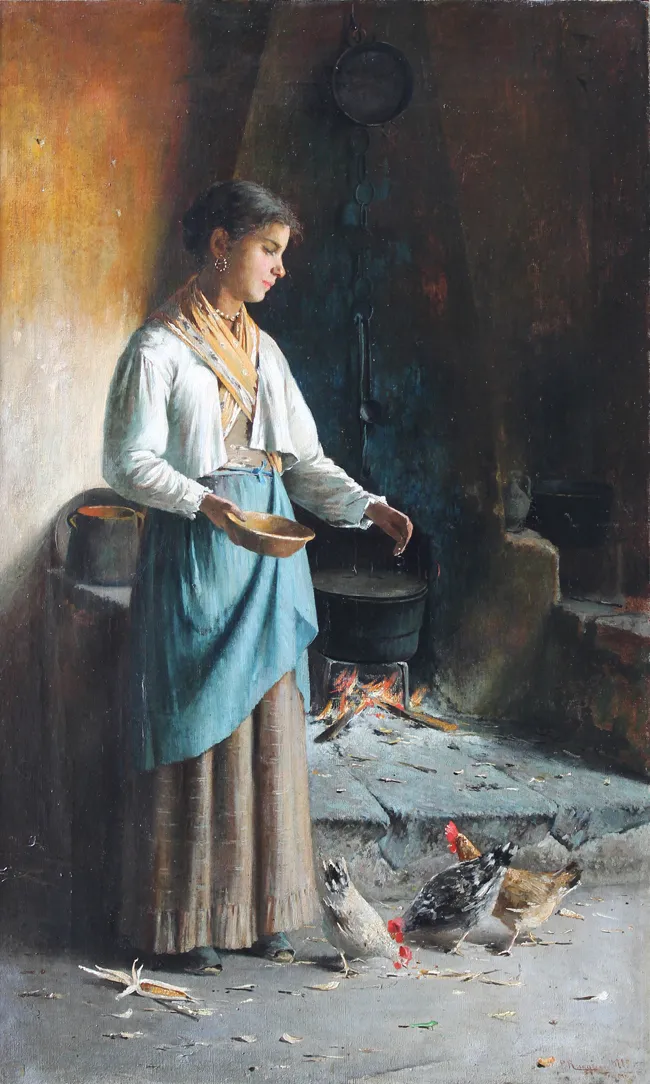
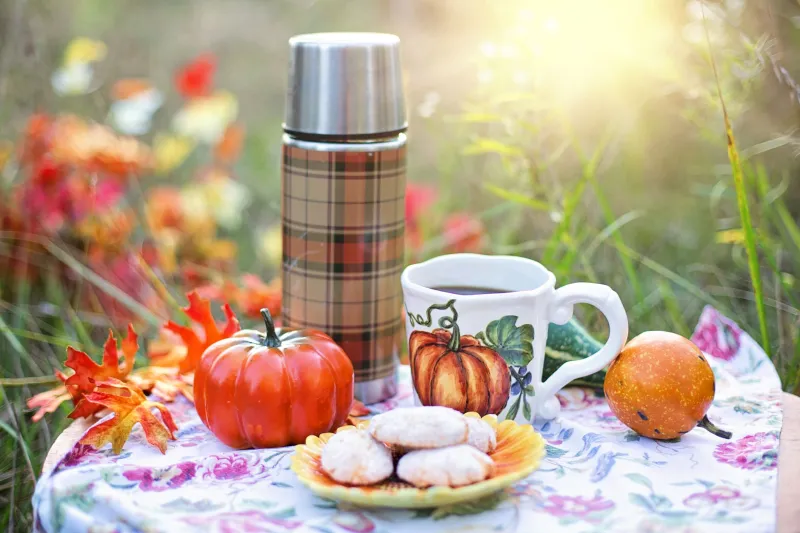
In Italy, lunch was never treated as a gap between meetings. It was a pause with a beginning and an end. At school, some children went home to eat; others opened a schiscetta, the Milanese word for a packed lunch that sounds like a small, sensible secret. The lucky ones had a thermos. Not a fancy one — a squat, screw-top flask with a cup that doubled as a bowl. Inside would be minestrone, or pasta e fagioli, or a brothy soup with greens and a rind of parmesan. It was not glamorous. It was warm, and that was enough.
Why hot and spoonable feels generous
A thermos of soup does something a sandwich cannot: it makes you stop. You cannot eat it one-handed while scrolling. You have to unseal the flask, let the steam hit your glasses, and wait a moment. The first spoonful is too hot; the second is better. By the third, the day has slowed down.
There is also a quiet generosity in the thing itself. A meal deal is assembled for speed. A flask of minestrone is assembled for you — by you, or by someone who likes you enough to leave a portion in the fridge. It uses up the lonely carrot, the half cabbage, the heel of parmesan. It costs less than a supermarket lunch, though that is not the main point. The main point is that it tastes like someone thought about lunch.
A minestrone built for a flask
Not every soup travels well. A thick, blended soup can turn into wallpaper paste by one o’clock. A clear broth is elegant but not filling. What you want is a minestrone with body but not stodge: vegetables cut small enough to spoon, beans for substance, and just enough small pasta to make it feel like a meal. The trick is to keep it brothy. If it sits overnight and thickens, loosen it with a splash of stock or water before heating.
This is roughly what I make at home. It serves four to six, which means two or three flask lunches plus a bowl for the cook.
- Olive oil, a good glug
- 1 onion, 1 carrot, 1 celery stick, all finely diced
- 1 leek, sliced
- 1 small potato, diced
- A wedge of squash or pumpkin, diced
- 1 tin of cannellini or borlotti beans, drained
- A piece of parmesan rind, if you have one
- 1.5 litres of vegetable or chicken stock
- A handful of savoy cabbage or cavolo nero, shredded
- 80g small pasta, such as ditalini or broken spaghetti
- Salt, pepper, a sprig of rosemary
Warm the oil in a large pan and cook the onion, carrot and celery gently until soft and sweet — ten minutes, not two. Add the leek, potato and squash and stir for another few minutes. Pour in the stock, add the parmesan rind and rosemary, and simmer until the vegetables are tender. Add the beans and greens and cook for five minutes more. Season carefully; the parmesan rind will already be salty.
Cook the pasta separately in well-salted water until just al dente. Drain it and keep it in a separate container in the fridge. This is important: if you leave the pasta in the soup overnight, it drinks the broth and turns to mush. In the morning, stir a spoonful of pasta into the portion you are reheating, or add it to the flask just before you seal it. The soup itself will be better on day two — the flavours settle, the beans soften, the rosemary stops shouting.
Packing the flask without a drama
A good flask is not a luxury; it is the whole point. Preheat it with boiling water for five minutes, empty it, then fill it with soup that is properly hot — not just warm. Seal it firmly. Wrap a spoon in a napkin and put it in your bag. If your flask cannot keep soup hot until one o’clock, replace it. This is not the place for heroics.
Alongside, keep it simple. A heel of sourdough or a piece of focaccia. A wedge of mature cheddar or pecorino. An apple or a clementine. A few olives, if you have them. A small jar with a teaspoon of olive oil or pesto to stir in at the desk, which wakes the whole thing up. Do not pack a salad that will wilt beside the flask; the soup is already the vegetable.
The quiet economics of a better lunch
I am not going to pretend that cooking a pot of soup on Sunday solves everything. Some weeks are too full, and the meal deal is a decent fallback. But a pot of minestrone is not a project. It is a chopping board, a large pan and forty minutes. It uses what you have. It freezes well. And it turns lunch into something you look forward to rather than something you get through.
This November, try one flask. Fill it with a soup that has beans and greens and a little pasta, pack a spoon, and sit down properly for twenty minutes. The desk will still be there. The emails will still be there. But the day will feel less sharp at the edges — and that is worth a screw-top flask.