The One-Hob Italian: Cooking With Constraint in a Rented British Kitchen
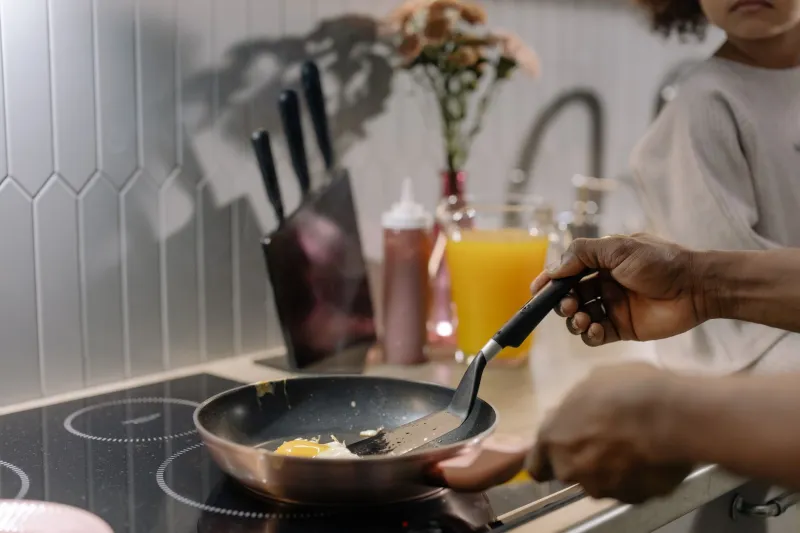
Most advice about cooking Italian food at home quietly assumes a fantasy kitchen. A wide hob, a cupboard deep enough for three types of flour, a windowsill of basil, and a landlord who never visits. The reality for plenty of British renters in 2026 is different: an induction hob with two rings if you are lucky, a shared fridge with someone else's meal-prep boxes, an extractor fan that sounds like a leaf blower, and a clause in the tenancy agreement about not fixing anything to the wall. Does that mean Italian cooking has to wait until you buy a place? No. It means you cook Italian food the way it has always been cooked in small kitchens — with attention, a short shopping list, and one good pan.
Constraint is not the enemy of Italian cooking
There is a romantic idea that Italian food needs abundance. It does not. Some of the best Italian cooking is built on a handful of ingredients and a cook who is paying attention. A rental kitchen forces that attention. You cannot hide behind a second oven or a walk-in larder. You have to taste, adjust, and make the pan work. That is not a dilution of Italian cooking. It is closer to the point. The Italian table is often small, temporary, and improvised; the food is generous because of how it is handled, not because of how much equipment surrounds it.
The rental arsenal: four things, no drilling
You do not need much. A 24cm non-stick sauté pan with a lid is the workhorse: deep enough for pasta, wide enough for a braise, light enough to lift with one hand. Add a silicone spatula, a wooden spoon, a measuring jug, and a pair of kitchen scissors. That is the kit. If your hob is induction, check the base of the pan is flat and magnetic; a warped pan will heat unevenly and make you think the hob is broken. Avoid dragging pans across the glass. Use a trivet or a folded tea towel, not the worktop, when you set it down.
Landlord-friendly extras: a clip-on strainer that fits the pan, a folding chopping board, and a small wire rack that sits inside the pan for steaming. No wall drills, no shelves, no herb pots screwed to the window frame. If you want a bit of theatre, a single tea light under a butter warmer is about as far as I would push it.
The shared fridge is a pantry with rules
A shared fridge rewards a small, tough larder. Keep a clear plastic box with your name on it, and stock it like a tiny Italian corner shop: a wedge of hard cheese, a tub of ricotta, a jar of olives, a tube of tomato purée, a lemon, a chunk of Parmesan rind if you have one. In the cupboard: tinned chickpeas, tinned plum tomatoes, dried pasta, tinned tuna in olive oil, dried oregano, chilli flakes, and a small bag of coarse salt. These are not compromise ingredients. They are the backbone of a hundred suppers.
British supermarkets make this easier than they used to. Own-brand tinned plum tomatoes are often excellent. Look for ricotta in the chilled aisle rather than the specialist cheese counter. Frozen peas are better than tired fresh ones. A bag of washed spinach or cavolo nero — often sold as black kale — can go straight into the pan. And if you have no balcony, buy a supermarket living basil plant, use the leaves, then freeze what is left in olive oil in an ice-cube tray. It is not the same as a windowsill in Puglia. It is still good.
One pan, two suppers
Here are two recipes that assume one ring, one pan, and no oven. They serve two, or one with leftovers.
Lemon, pea and ricotta pasta. Put 180g dried pasta, 450ml hot vegetable stock, a sliced garlic clove, a pinch of chilli flakes and a good glug of olive oil in the sauté pan. Bring to a simmer, then cook uncovered, stirring often, for about 10 minutes, until the pasta is nearly tender and the liquid has reduced. Add a handful of frozen peas for the last three minutes. Take off the heat. Stir in the zest of half a lemon, a big spoonful of ricotta, and a handful of grated hard cheese. Season. If it looks tight, add a splash of hot water. Eat straight from the pan if the washing-up situation is dire.
Chickpea, tomato and rosemary braise. Warm olive oil in the pan with a chopped onion and a sprig of rosemary. Cook gently until soft. Add a tin of chickpeas, drained, a tin of plum tomatoes, crushed with your hand, and a pinch of salt. Simmer for 15 minutes. Tear in a handful of stale bread and stir until it thickens. Finish with lemon juice and a drizzle of olive oil. If you have a lone sausage, crumble it in at the start. If you have cavolo nero, shred it and stir it through at the end. This is a recipe that bends.
The small-kitchen rules
Three rules keep this sane. First, shop for two or three meals, not a fortnight. Small fridges punish optimism. Second, clean as you go, because one pan means one pan. Third, keep a notebook of what worked. A rental kitchen is temporary, but the habit of cooking well in a small space is not. You may not have a balcony. You may not have four rings. You can still put a good Italian supper on the table, and you can do it tonight.