Three Cheeses, No Mountain: An Italian Winter Board for a British Table
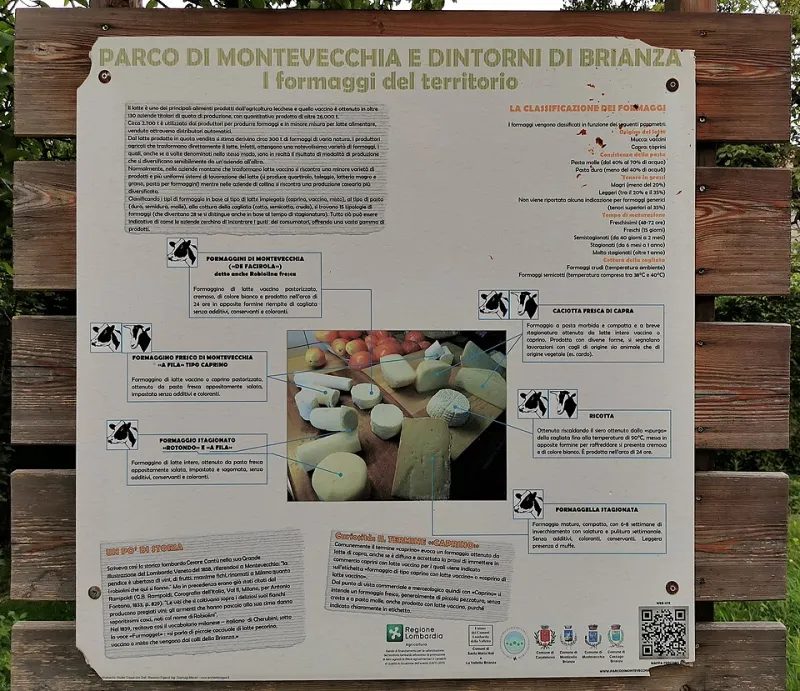
Photo: Kaitu, CC BY 4.0, via Wikimedia Commons
The British cheese board has become a mountain. It arrives at the end of a meal already groaning: five cheeses, grapes, crackers, chutney, celery, walnuts, maybe a pork pie if someone is feeling regional. It is generous and impressive and almost always too much. An Italian cheese course is a different creature. It is small, deliberate and designed to finish the meal, not restart it.
That does not mean it is mean. It means it has a shape. Three cheeses, two accompaniments, good bread and a clean table. That is enough. In fact, it is more than enough. The point is not to show how many Italian cheeses you can buy in the UK. The point is to make one small course feel complete.
Why less feels more Italian
In Italy, cheese is often a course in its own right, served after the main plate and before fruit or coffee. It is not a free-for-all. You might get a piece of Parmesan and a pear. You might get a soft cheese with honey. You might get gorgonzola with mostarda. The range is wide, but the quantity is controlled. This is not stinginess. It is respect for the cheese, and for the person eating it.
A British winter table can learn from this. After a roast, a braise or a bowl of pasta, nobody needs a kilogram of cheese. They need a small, savoury pause. Something to nibble with the last of the wine. Something that says the meal is winding down, not that a second meal has begun.
Three cheeses, chosen with a job in mind
Pick three cheeses that do different things. One soft and creamy, one aged and salty, one blue and sharp. That is the simplest structure, and it works.
For the soft cheese, look for Taleggio, Robiola or a good Italian-style creamy cheese from a British producer. Taleggio is widely available in UK delis and larger supermarkets. Let it come to room temperature; cold Taleggio is a waste of money.
For the aged cheese, Parmigiano Reggiano is the obvious choice. Buy a chunk, not a tub of grated crumbs. A 24-month Parmigiano has enough salt and crystal crunch to stand up to mostarda or honey. Pecorino Romano is a sharper alternative, but use a smaller piece because it is more aggressive.
For the blue, Gorgonzola dolce is mild and creamy; Gorgonzola piccante is firmer and spicier. Either works. A little goes a long way. If you cannot find Gorgonzola, a good British blue is fine, but keep the portion small.
Two accompaniments, not a crowd
Honey and mostarda are the two I would choose. Honey brings sweetness and a little floral edge. Chestnut honey is dark and bitter in a good way; acacia honey is milder. Mostarda is a northern Italian condiment of fruit preserved in a mustard syrup. It is strange at first and then completely addictive. Buy a small jar from an Italian deli or online. A spoonful beside Gorgonzola is one of the great winter mouthfuls.
If you cannot find mostarda, a good fig jam or quince paste will do. Do not add both. Do not add chutney as well. Two accompaniments are enough. A few walnuts are fine, but they are not compulsory. The same goes for grapes. If you have them, wash them and put them in a bowl. Do not build a hedge around the cheese.
Bread, not crackers
This is the one place where I will be firm. Good bread is better than crackers. A sourdough with a dark crust, sliced thinly, or a simple focaccia, or a few grissini. Crackers add salt and crunch, but they often taste of nothing. Bread is part of the course. Warm it gently, but do not toast it to death.
How to build the board
For four people, buy about 100g of each cheese in total, maybe a little less if the meal has been rich. That is 300g for four, which is plenty. Put the cheeses on a wooden board or a large plate with space between them. Take them out of the fridge at least an hour before serving. Slice the aged cheese just before it goes to the table. Put a small spoon in the honey and a small spoon in the mostarda. Add bread. That is it.
Do not label everything unless you are running a tasting. Do not arrange the cheese in a fan. Do not add edible flowers. The Italian approach is not sloppy, but it is not fussy either. It trusts the ingredients.
A clean finish
Serve the cheese course after the main course, with the same wine or a glass of something sweet and fortified. Clear the plates first. Let the table breathe. If you are having coffee, have it afterwards. If you are having fruit, keep it simple: a couple of clementines, a pear, maybe a few dates. Nothing that competes.
The British cheese board is a celebration of abundance, and there is a time for that. But a winter meal does not always need abundance. Sometimes it needs a small, well-chosen plate and a bit of quiet. Three cheeses, two accompaniments, good bread. That is not a lesser cheese course. It is a better one.